Social media is no longer just about eye-catching single posts; it’s about creating experiences that draw people in and keep them engaged.
One of the most effective ways to do this is through story-based, swipeable content.
Whether it’s a multi-image Instagram carousel, a swipeable LinkedIn post, or a TikTok image story, this format gives you the chance to tell a narrative that unfolds naturally as users interact with it.

Instead of overwhelming viewers with too much information at once, story-based posts guide them through a structured flow, one swipe at a time.
When done well, these posts encourage deeper engagement, spark curiosity, and strengthen your brand’s voice.
In this guide, we’ll explore how to design swipeable story content that connects with your audience and delivers lasting impact.
Why Story-Based Social Posts Work
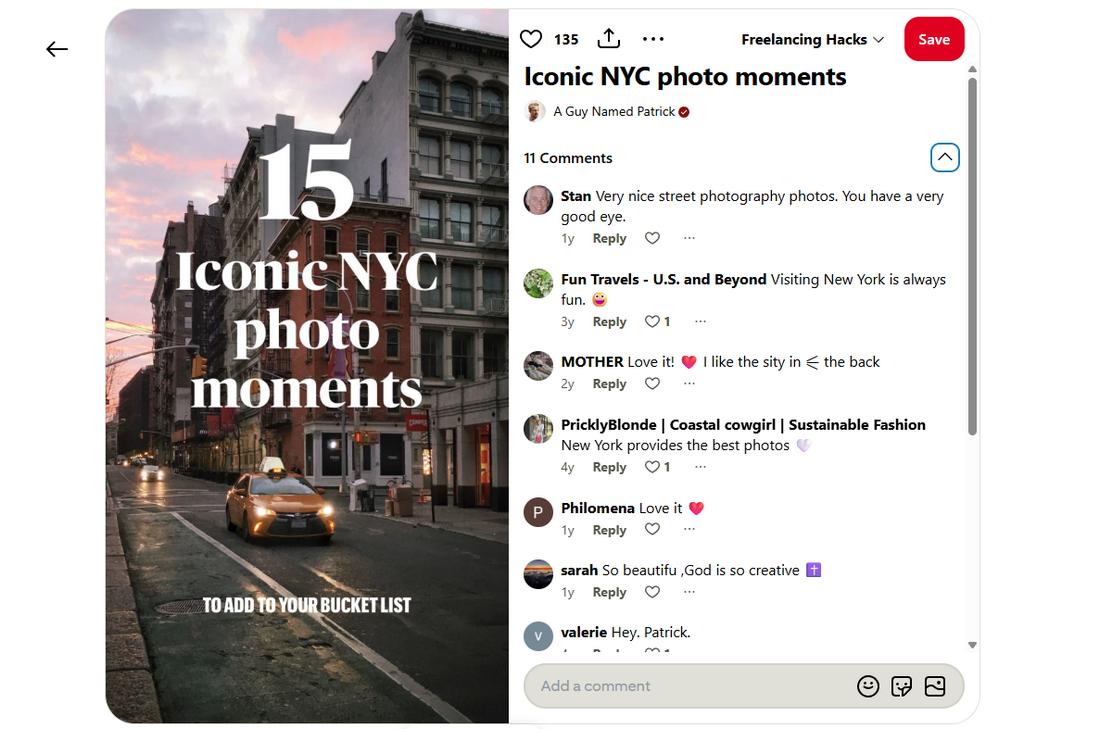
People love stories; it’s how we naturally process information. Story-driven content taps into that instinct, making it easier to guide users through a message or idea.
Instead of overwhelming viewers with a single dense graphic or long caption, you break your content into digestible pieces, encouraging interaction as users swipe forward.
This format works especially well on platforms that favor engagement metrics.
“LinkedIn Carousels achieve an average engagement rate of 24.42%, significantly outperforming plain text posts, which average 6.67%.” – WakeMedia.co.uk
The more frames a user swipes through, the stronger the signal to the algorithm that your content is worth promoting.
Swipe-based storytelling also supports pacing, allowing you to build curiosity, reveal information gradually, and create a more dynamic experience.
Examples of Story-Based Swipeable Content
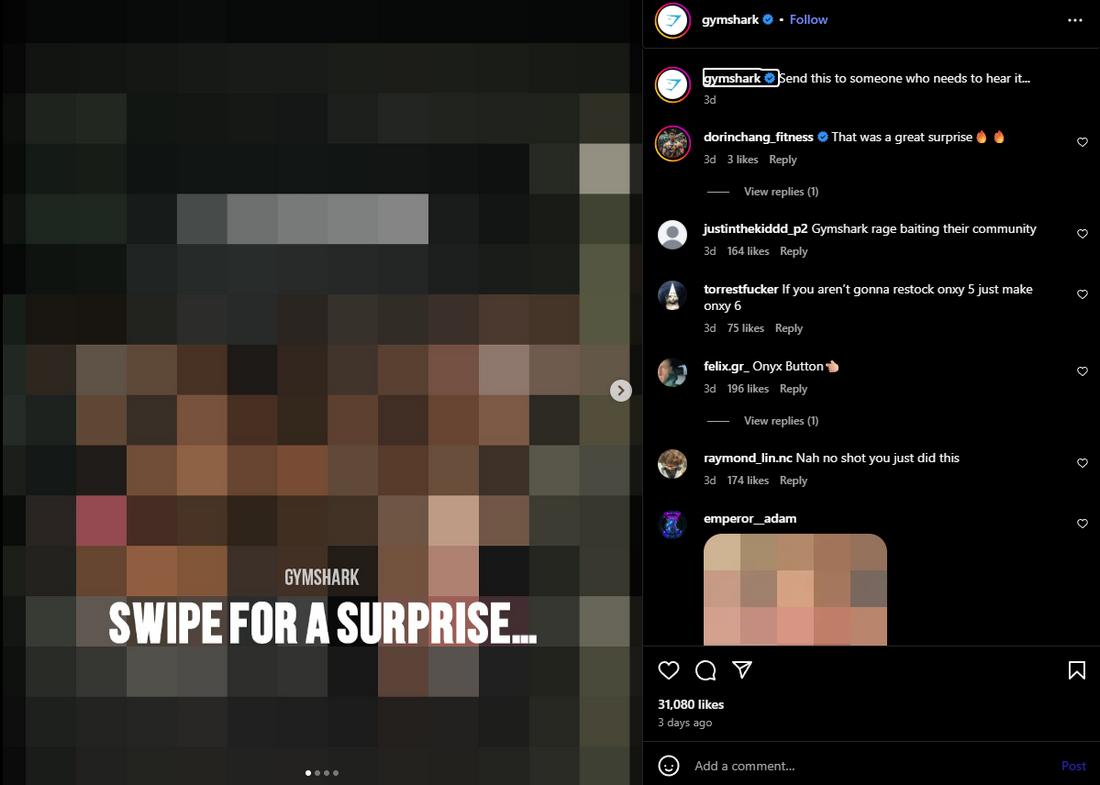
Carousel posts on both Instagram and Facebook outperform most other types of posts (except for videos) on the platform. Why? Because of storytelling!
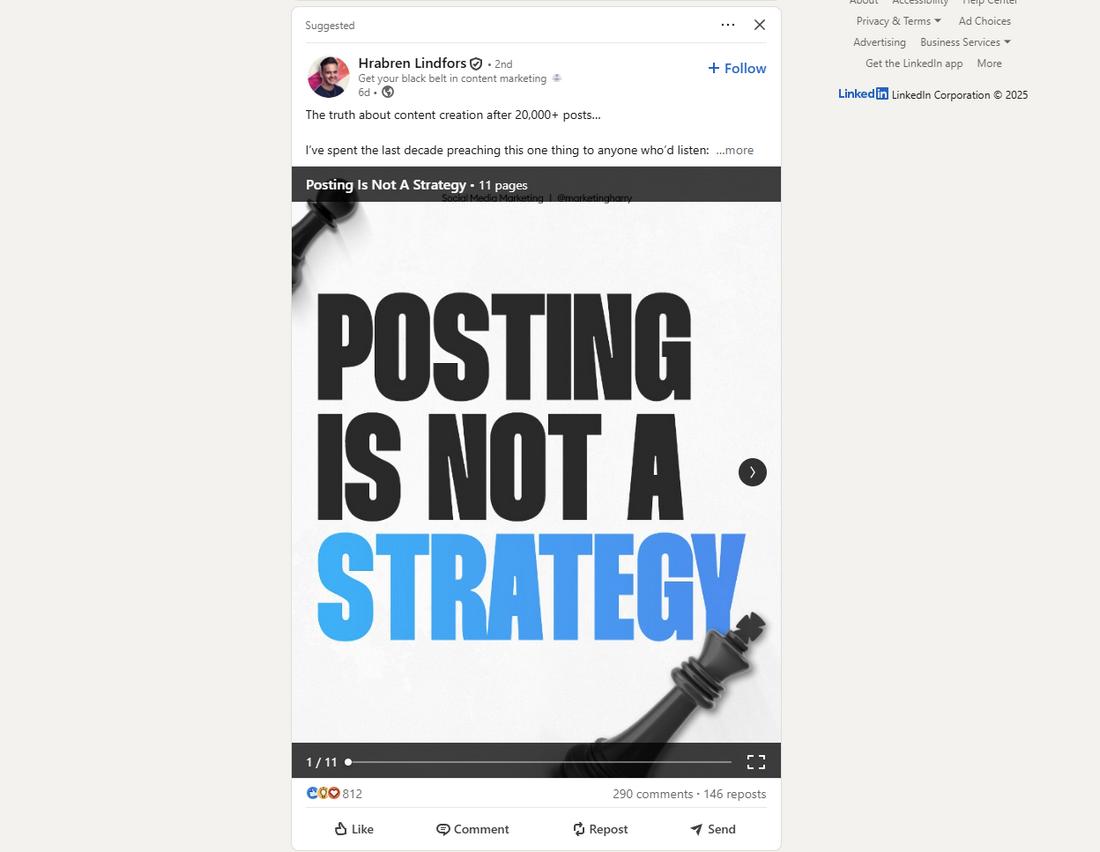
Image-based slideshow-style carousel posts on LinkedIn are generating the most engagement on the platform these days. When done well, these posts instantly grab attention.
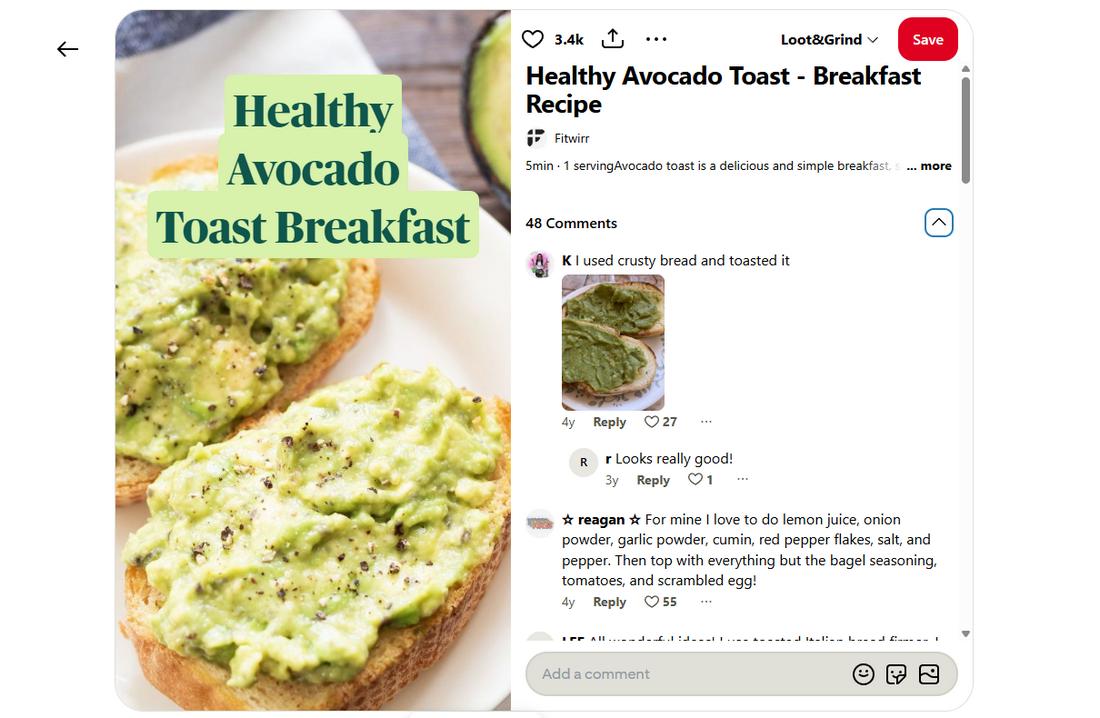
Pinterest Idea Pins are also quite popular as they offer an easy way to consume long-form content.
Choosing the Right Platforms
Story-based posts aren’t limited to just Instagram Stories. Here are some key formats where they thrive:
- Instagram Carousels: One of the most effective formats for storytelling on social media, carousels allow up to 10 images or graphics in a single post.
- LinkedIn Document Posts: Swipeable PDFs are becoming popular for thought leadership, case studies, and how-to content on LinkedIn.
- TikTok Image Posts: A newer feature, TikTok’s image carousels let you pair visuals with audio for swipe-based experiences.
- Pinterest Idea Pins: Designed for multi-frame storytelling, Idea Pins can showcase recipes, tutorials, or brand stories.
No matter the platform, the principles of story-based design remain the same: clarity, pacing, and visual consistency.
How to Structure Swipeable Story Content
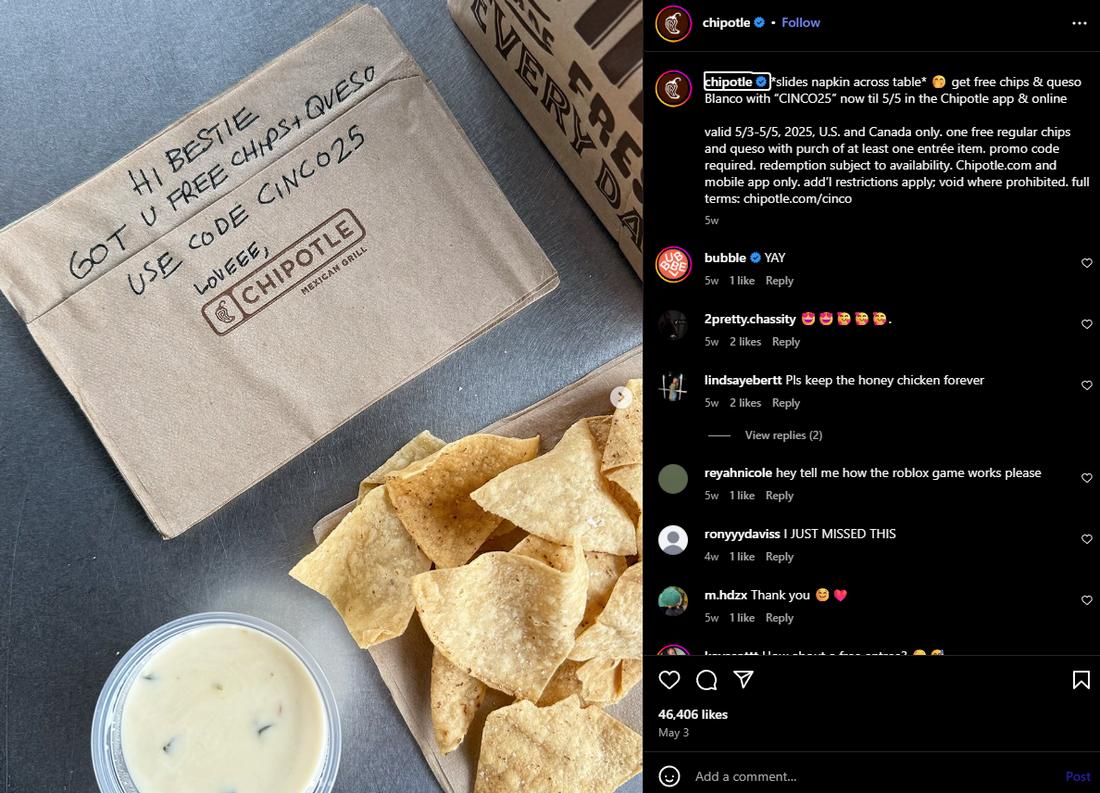
To keep viewers engaged from the first frame to the last, you need a flow that builds curiosity, delivers value, and encourages interaction.
Think of each frame as a “page” in a mini digital book; you want users to feel naturally compelled to swipe forward.
Here’s a more detailed framework to help you structure your story-based posts for maximum engagement:
1. Hook
The first frame is your one chance to stop the scroll. It needs to grab attention instantly and spark enough curiosity to get the viewer to swipe.
Use a bold question, a surprising fact, an emotional statement, or a striking visual. The key is not to give away too much, just enough to tease what’s coming next.
Example: “90% of people fail at this simple habit—are you one of them?”
2. Context
A
Post a Comment